
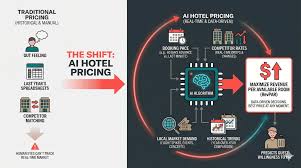

Booking a hotel used to be simple. You picked a property, compared a few rates, and hoped you had not booked too early or too late. Now it is rarely that tidy. Prices move constantly, room types shift, and the same hotel can look like a bargain one day and a budget wobble the next. That is not your imagination. Hotel pricing is shaped by revenue management, where room rates are adjusted based on demand, timing, occupancy and other commercial signals.
That is exactly why an ai hotel price tracker has become useful for modern travellers. Rather than checking the same booking again and again, you can use technology to watch price movements, spot genuine drops, and decide whether to hold, book or rebook with more confidence.
This buyer’s guide is for travellers who want a practical, human explanation of what these tools do, who they suit, what features matter, and how to choose one without getting distracted by flashy language. If you are planning a London break, a work trip, or a family stay with flexible cancellation, this guide will help you understand how hotel tracking tools fit into a smarter booking routine.
Why Hotel Prices Move More Than Most Travellers Expect
Hotel prices are not fixed in the way many people assume. A hotel room is a perishable product. If the room goes unsold for tonight, that revenue is gone. Because of that, hotels adjust rates often to balance occupancy, forecast demand, events, lead time, and local booking behaviour. That is the basis of revenue management in hospitality.
For travellers, this creates two problems.
First, it is hard to know whether today’s rate is good enough. Second, even after booking, the price might fall. If your reservation is flexible, you may be able to cancel and book again at a lower rate, but only if you notice the change in time.
That is where price tracking becomes genuinely useful. Instead of turning booking into a second job, a good system does the watching for you.
What a Hotel Price Tracking Tool Actually Does
A hotel price tracking tool monitors the price of a selected hotel stay over time. Depending on the product, it may track one hotel, one booking, several shortlisted stays, or a broader set of room options that match your dates and destination.
In practice, the best tools usually help with four things:
- watching prices after you have found a hotel you like
- notifying you when there is a meaningful rate drop
- helping you compare whether the new rate is truly better
- making it easier to act while your cancellation window is still open
This matters because not every price change is worth reacting to. Some are tiny fluctuations. Some reflect a different room type or rate condition. Some are cheaper because breakfast has vanished, cancellation is stricter, or taxes are shown differently. A decent tracking tool should help you avoid false excitement and focus on like for like value.
What Makes AI Useful in Hotel Price Watching
The term AI gets thrown around too loosely, so it helps to be specific. In this context, AI is useful when it helps interpret patterns, automate monitoring, and surface relevant signals rather than just dumping price data on you.
A strong AI-led tracker should help you answer questions like these:
- Is this a real dip or just routine noise?
- Is the lower price attached to the same room conditions?
- Should I wait, or is demand clearly tightening?
- Which alert matters, and which one can I ignore?
That practical layer matters more than the label. Most travellers do not need a technical explanation of machine learning. They need fewer tabs, fewer repetitive checks, and a clearer sense of whether it is time to act.
Features to Look for in Smart Hotel Price Alerts
When comparing tools, focus on usefulness rather than novelty. The best choice is rarely the one with the longest feature list. It is the one that reduces booking friction and helps you make better decisions.
1. Real price monitoring
The first job is obvious but essential. A tracker needs to monitor prices consistently enough to catch meaningful shifts. If it only checks occasionally or misses rapid changes, it will not save you much time or money.
2. Like for like comparison
This is one of the most overlooked features. A cheaper headline rate is not always the same deal. You want a tool that helps compare equivalent options, such as cancellation policy, room type, occupancy, and included extras.
3. Clear alert thresholds
Too many alerts become background noise. Good tools notify you when there is a meaningful change, not every tiny movement. The point is to reduce stress, not add another stream of pointless notifications.
4. Flexible cancellation awareness
For many travellers, the real advantage comes after booking. If your stay can be cancelled and rebooked, a tracker becomes much more powerful. A tool that works with flexible bookings is often more valuable than one that only tells you a hotel is cheaper somewhere else.
5. Practical interface
If you cannot understand the alert, the insight is wasted. Look for a clean explanation of what changed, by how much, and what action makes sense next.
6. Destination relevance
A tool should work well for the places you book most often. A traveller who books city breaks in London has different needs from someone arranging multi-stop business trips or family holidays in school breaks.
H2: How to Choose an AI Hotel Price Tracker Without Overthinking It
Choosing a tracker is less about picking the most advanced product and more about matching the tool to your booking behaviour.
Start with your own travel pattern.
Are you usually booking weekend stays in major cities? Are you arranging last minute work trips? Do you book well in advance but like the security of free cancellation? Do you compare several hotels or lock one in early and hope for the best?
Your answers will shape what matters most.
If you book flexible city stays, post-booking tracking matters a lot.
If you shop around before committing, shortlist monitoring matters more.
If you are busy and do not want to keep checking manually, alert quality becomes essential.
If you are price sensitive but still want decent standards, clarity around room equivalence matters more than an endless graph.
The best buyer’s approach is to score a tool against these questions:
- Does it save me time?
- Does it help me avoid overpaying?
- Does it explain price changes clearly?
- Does it work with the way I already book?
- Does it help me act before a better rate disappears?
If the answer is yes to most of those, you are looking at a useful tool.
Booking Use Cases Where Hotel Tracking Software Helps Most
Not every trip needs tracking, but some booking situations are ideal for it.
London weekend breaks
London is one of those cities where rates can shift quickly around concerts, rail disruption, conferences, football fixtures and seasonal demand. A tracker is useful because a hotel that looks expensive on Monday may soften by Wednesday, or the reverse.
Family bookings with bigger rooms
Family rooms, interconnecting options, and larger occupancy setups can change price fast because inventory is more limited. Tracking helps when you want value but cannot afford to lose a workable room type.
Work trips with flexible policies
Business travellers often book for convenience first, then revisit the rate later. Tracking supports that routine well because the first booking secures location and timing, while later alerts create room for savings.
Short-notice travel
If you are booking close to the stay date, prices can be volatile. Tracking will not always produce a miracle drop, but it can help you decide when the market is firming up and when there is still room to wait.
Longer stays
For multi-night stays, even a modest nightly reduction can add up to a decent saving. Tracking is especially useful here because small differences become more meaningful over several nights.
H3: Signs a Price Drop Is Worth Acting On
Not every drop deserves immediate action. Savvy travellers look for context.
A price drop is more likely to be worth acting on when:
- the room type is the same
- the cancellation terms are the same or better
- breakfast, taxes and occupancy are comparable
- the reduction is enough to justify the rebooking effort
- local demand is likely to push rates back up soon
A price drop is less useful when:
- the cheaper rate is non-refundable
- the room is smaller or more restricted
- the saving is tiny
- the cancellation deadline is too close
- the lower rate removes something you actually need
In other words, smart tracking is not just about seeing a cheaper number. It is about spotting a better deal in real terms.
Common Mistakes Travellers Make With Price Monitoring
Many travellers undermine the benefit of tracking by using it badly. The technology can help, but the routine still matters.
Here are the most common mistakes.
Chasing every fluctuation
A one-night dip is not always a signal. Sometimes the best move is to wait for confirmation, especially if your dates are still some distance away and inventory looks healthy.
Ignoring cancellation rules
A tracker only helps if you can act on what it finds. Flexible terms are often what turn price monitoring from interesting to useful.
Comparing different products
The cheapest option is not always the same stay. A lower price that strips out breakfast, changes room type, or adds stricter conditions is not a true saving.
Booking too late out of optimism
Tracking is not a licence to gamble forever. If a destination is tightening and your preferred hotel is filling up, waiting too long can cost you more than you save.
Using too many tools at once
If you set five alerts in five places, you often end up with confusion instead of clarity. One sensible system beats scattered monitoring.
What Good Travel Technology Should Feel Like
The best travel tools do not make you feel clever. They make the process feel calmer.
A good hotel tracker should feel like this:
- it removes repetitive checking
- it gives you useful nudges rather than constant noise
- it fits around your normal booking routine
- it helps you decide rather than overwhelming you
- it keeps your options open without making you anxious
That human side matters. Too much travel tech is built as if users want dashboards, charts and jargon. Most travellers want confidence, speed and fewer regrets.
How to Judge Value Beyond the Cheapest Nightly Rate
A buyer’s guide should not stop at price. Good bookings are about value, not just the lowest visible number.
When assessing value, consider:
- location and transport convenience
- cancellation flexibility
- breakfast and extras
- room size and comfort
- reliability for your type of trip
- total cost over the full stay
For example, a slightly higher rate in a better connected area may save money on taxis, time and stress. Likewise, a flexible rate that allows rebooking can become the better financial option if prices later fall.
That is why tracking tools work best when paired with sensible booking criteria. They help you optimise within a good choice, not rescue a poor one.
Why London Travellers Benefit From This More Than Most
London is a good example of why hotel price tracking makes sense. Demand can change quickly by neighbourhood and by date. Areas near major stations, venues, hospitals, exhibition centres, and tourist hotspots can see sudden movement that is hard to judge manually.
For a traveller, that means the usual question is not only “what is the cheapest hotel?” but also “what is the smartest moment to book this particular stay?”
If you are looking for a hotel price tracker in London, it is worth exploring an ai hotel price tracker that is built around monitoring rates and helping travellers react to drops without constant manual checking. RoomHawk says it tracks hotel prices across more than 2 million rooms and aims to help users save 5 to 30 per cent by monitoring bookings automatically.
How to Build a Better Booking Routine Around Price Alerts
A tracker works best when it is part of a simple routine.
Here is a practical model:
- Choose your shortlist early
- Book a flexible option when the price feels acceptable
- Let the tracker monitor the stay
- Recheck only when there is a meaningful alert
- Rebook only if the overall value is better
This approach removes most of the guesswork. You are not trying to predict the perfect market bottom. You are protecting yourself from paying more than necessary while keeping a room you actually want.
That mindset is healthier and usually more realistic.
The Difference Between Helpful AI and Marketing Hype
When reviewing products in this space, keep your standards simple.
Helpful AI will:
- reduce repetitive work
- filter noise
- surface relevant pricing changes
- support better decisions
- feel clear and practical
Marketing hype will:
- promise perfect timing
- make savings sound guaranteed
- use jargon instead of clarity
- treat every minor dip as a big insight
- confuse automation with intelligence
As a buyer, you do not need to fall in love with the technology. You only need it to do a useful job well.
External Context: Why Hotel Pricing Behaves This Way
If you want a simple overview of why hotel prices move so often, Wikipedia’s page on revenue management offers a helpful starting point. It explains the broader commercial logic behind dynamic pricing across industries, including hotels.
That context matters because it helps travellers understand that price movement is normal, not random. Once you know that, tracking feels less like obsessive checking and more like sensible timing.
Final Thoughts
A hotel booking does not have to be a one-shot guess. Modern pricing is too fluid for that old mindset. If you book hotels regularly, especially in busy cities or on flexible terms, a tracking tool can give you a genuine advantage.
The right product is not the one with the flashiest promises. It is the one that helps you monitor rates sensibly, compare like with like, and act when a change is actually worth your time.
That is what makes this category useful. It does not replace judgement. It supports it.
If you are comparing options, focus on clarity, alert quality, like for like comparisons, and how well the tool fits your travel habits. Do that, and you are far more likely to book with confidence rather than guesswork.
FAQ1. What is an AI hotel price tracker?
It is a tool that monitors hotel prices over time and uses automation or AI-led logic to alert you when a meaningful change happens. The aim is to reduce manual checking and help you spot better booking opportunities.
2. Can a hotel price tracker help after I have already booked?
Yes, especially if your booking has flexible cancellation. In that case, you may be able to cancel and rebook if the tracker finds a lower equivalent rate before your stay.
3. Are hotel price drops always worth rebooking for?
No. You should check whether the room type, cancellation policy, taxes, breakfast, and other conditions are the same. A lower number is only useful if the overall deal is genuinely better.
4. Is hotel price tracking useful for London trips?
Yes. London hotel pricing can shift around events, weekends, conferences, and seasonal demand. Tracking can be especially helpful if you want to stay central without overpaying.
5. What should I look for when choosing a hotel tracking tool?
Look for reliable monitoring, clear alerts, flexible cancellation support, easy like for like comparisons, and an interface that helps you act quickly without confusion.