
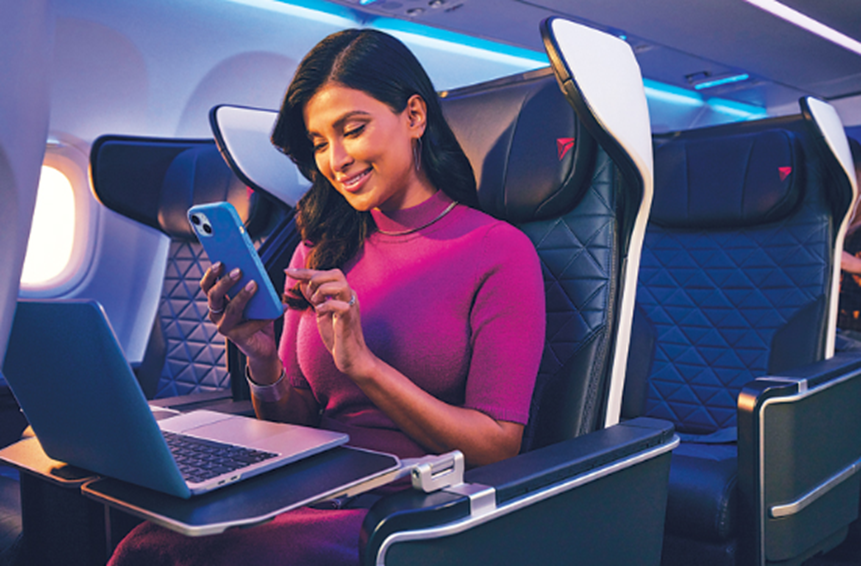
Travel has a way of stretching time. Airports are built on waiting. Trains run late. Hotel check-ins take forever. And suddenly that “quick break” turns into an hour with nothing to do but stare at a departures board and pretend it’s interesting.
For people who like live entertainment on their phones, the appeal is obvious. A real-time stream feels alive, not canned. And if the goal is live casino specifically, platforms like tamasha online live casino in india show why the category works on the move: fast access, a familiar live-table format, and a layout that doesn’t fight mobile users.
Start with the boring truth: location changes everything
The biggest surprise for travelers isn’t buffering. It’s access.
Live entertainment platforms can behave differently depending on where the phone is located. Sometimes it’s licensing. Sometimes it’s payment rails. Sometimes it’s local law. Sometimes it’s the platform’s own risk controls kicking in because a user who normally logs in from one city is suddenly popping up in another country at 3 a.m.
Before leaving (or at least before relying on a platform mid-trip), it’s worth checking:
- Whether the service is available in the destination country or state
- Whether sign-in requires extra verification while traveling
- Whether deposits/withdrawals work with the traveler’s payment method abroad
If a platform doesn’t load in a new location, it’s not always a “bug.” Sometimes it’s policy.
Wi-Fi is everywhere. Good Wi-Fi is not.
Hotel Wi-Fi can be excellent. It can also be a shared network held together by vibes and a router from 2015.
For live platforms, stability matters more than raw speed. A “fast” connection that drops for five seconds every minute will ruin a live session faster than a steady, average connection.
A few travel-tested habits help:
- Use 4G/5G for logins and anything involving payments, if possible
- Switch off “Wi-Fi assist” style features only if they cause constant network switching mid-stream
- If the stream keeps stuttering, drop the video quality manually (SD can be smoother than HD in crowded networks)
Some platforms handle adaptive streaming well. Others don’t. When it’s not working, forcing a lower quality is often the quickest fix.
Roaming charges can turn “entertainment” into a bill shock
Live content eats data. Even when it doesn’t look like it.
If traveling internationally, the cleanest options are usually:
- A local SIM
- An eSIM plan with clear pricing
- A dedicated travel data package from the home carrier (only if the math makes sense)
And if live entertainment is the plan, set the phone to avoid sneaky background data drains:
- Turn off auto-updates on mobile data
- Pause cloud photo uploads until Wi-Fi is reliable
- Close apps that quietly stream video in the background
It’s not paranoia. It’s just avoiding a dumb problem.
Public networks: fine for browsing, risky for accounts
Airports, cafés, and hotel lobbies are convenience zones. They’re also prime territory for sketchy networks and lazy security.
Basic rules that keep things safer:
- Avoid logging in or making transactions on open public Wi-Fi
- Don’t click login links from emails or DMs while traveling (phishing loves distraction)
- Use two-factor authentication if the platform supports it
- Consider a reputable VPN when public Wi-Fi is the only option
One more thing: shoulder surfing is real. Airports are basically theatres for people watching screens. A privacy screen protector looks silly until it doesn’t.
Expect “extra checks” when the platform sees travel behavior
Some platforms flag unusual behavior automatically:
- New device
- New country
- Rapid IP changes (Wi-Fi to data to Wi-Fi)
- Multiple failed login attempts because autocorrect mangled a password
This is annoying, but it’s usually a good sign. It means fraud controls exist.
To reduce lockouts while traveling:
- Make sure email access is working (password resets often route through email)
- Keep the account details up to date
- Avoid logging in through random browsers or borrowed devices
If the platform offers passkeys or biometric login, even better. Fewer passwords typed in noisy places, fewer mistakes.
Battery isn’t a minor detail, it’s the whole experience
Live entertainment drains phones. Brightness gets cranked up in daylight. Video streams run hot. Add navigation, translation apps, camera use, and a phone can hit 10% battery at the worst possible time.
Travel essentials for live streaming:
- A power bank that can handle at least one full recharge
- A cable that isn’t frayed or “works at a certain angle”
- Low power mode settings that don’t break streaming performance (some phones get overly aggressive)
And yes, headphones. Always. Live audio in public without headphones is how strangers start silently judging.
Device setup that makes live sessions less painful
A few tweaks can make live entertainment feel smoother on the road:
Use “Do Not Disturb” during a session
Notifications popping up mid-bet or mid-action is an easy way to mis-tap. DND keeps the screen clean.
Keep the browser and WebView updated
A lot of live platforms rely on web components even inside apps. Outdated WebView can cause weird freezes and broken video playback.
Don’t run ten heavy apps at once
Live streaming plus background downloads plus maps plus social video is how phones stutter. Close what doesn’t need to be open.
When live doesn’t work, have a backup plan
Travel is unpredictable. Sometimes there’s no signal. Sometimes the hotel network collapses at night when everyone starts streaming. Sometimes the platform itself is under maintenance.
A smart entertainment mix includes:
- Instant games that run well on weak connections
- Downloaded podcasts or playlists for dead zones
- Offline shows for flights or long rail segments
Not everything needs to be live. The point is not getting stuck with nothing when the connection fails.
Be careful with “workarounds” and grey-area tools
Travelers often search for ways to access services from restricted regions. The problem is that quick fixes can create bigger headaches:
- Account flags
- Failed withdrawals
- Security checks that lock access mid-trip
- Violating local laws without realizing it
If a platform isn’t available in a region, it’s usually for a reason. The safe move is to respect availability rules and stick to legitimate access methods.
Payments while traveling: keep it simple and predictable
Even outside casino platforms, payments abroad can get messy. Banks block “unusual” transactions. SMS verification fails when roaming. Cards get declined for no obvious reason.
Better practices:
- Use payment methods that work internationally and don’t rely on unstable SMS delivery
- Turn on bank transaction alerts (they help spot fraud quickly)
- Avoid storing payment details on shared or borrowed devices
If a withdrawal is planned, don’t initiate it in a rush while bouncing between Wi-Fi networks. Do it in a stable setting. Travel distractions are where mistakes happen.
Time zones mess with promos and support availability
This sounds small until it isn’t.
Promotions, daily rewards, tournament schedules, and even support hours often run on a set time zone. Travelers can miss windows or get confused when “today” on the platform isn’t “today” in the hotel room.
Quick fixes:
- Check the platform’s time zone settings (if displayed)
- Don’t assume a “daily reset” matches local midnight
- Screenshot promo terms if they matter, because travel brain is real
Quick checklist before relying on a live platform abroad
- Confirm the service is available in the destination region
- Set up 2FA and make sure email access works
- Arrange a data plan that won’t punish streaming
- Bring a power bank and headphones
- Avoid public Wi-Fi for logins and payments
- Know where official support is (and ignore “support” DMs)
Bottom line
Accessing live entertainment platforms while traveling is easy right up until it isn’t. Location rules, shaky networks, roaming costs, and security checks can turn a casual session into a hassle.
The best approach is simple: plan for access, plan for connectivity, keep accounts secure, and keep a backup entertainment option ready. Travel already has enough surprises. Entertainment doesn’t need to be another one.