
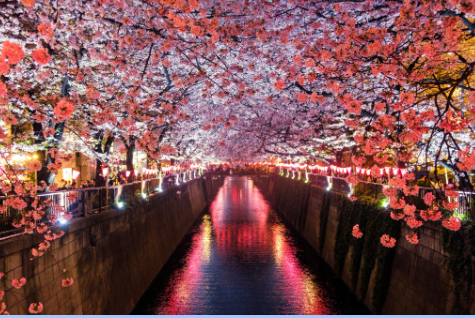
Japan is a country where ancient traditions, futuristic cities, peaceful forests, dramatic mountains, and beautiful coastlines exist side by side. From snow-covered villages and turquoise lakes to colourful flower fields and historic streets, many places across the country look almost unreal.
For first-time visitors, Japan can feel like stepping into a movie. One moment you might be walking through a quiet traditional village, and the next you could be standing beneath towering skyscrapers in Tokyo.
The country’s incredible variety makes it an exciting destination for couples, families, solo travellers, and photographers. If you are planning your first trip, these are 10 places in Japan that look too beautiful to be real.
1. Mount Fuji
No list of beautiful places in Japan would be complete without Mount Fuji.
Standing at 3,776 metres, Mount Fuji is Japan’s most iconic natural landmark. Its almost perfectly symmetrical volcanic shape has inspired artists, photographers, and travellers for generations.
The mountain is especially beautiful when viewed with snow covering its upper slopes. Depending on the season and location, you can see Mount Fuji reflected in lakes, framed by cherry blossoms, or rising behind traditional Japanese landscapes.
The Fuji Five Lakes region provides some of the best viewpoints. Lake Kawaguchi is particularly popular because it offers spectacular views across the water toward the mountain.
For photographers, sunrise and early morning are often excellent times to look for clear views.
2. Shirakawa-go
Imagine a traditional Japanese village surrounded by mountains and covered in snow. That is the atmosphere you can experience in Shirakawa-go.
The village is famous for its traditional gassho-zukuri houses, which have steeply sloping roofs designed to withstand heavy snowfall.
During winter, the snow-covered rooftops create an almost fairytale-like landscape.
But Shirakawa-go is beautiful throughout the year. Spring brings greenery and flowers, summer creates lush mountain scenery, and autumn adds colourful foliage.
Walking through the village gives travellers the opportunity to experience a quieter side of Japan far away from the busy streets of Tokyo.
For visitors looking for unique photography opportunities, Shirakawa-go is one of Japan’s most rewarding destinations.
3. Arashiyama Bamboo Grove
Located in Kyoto, the Arashiyama Bamboo Grove is one of Japan’s most recognisable natural attractions.
Tall bamboo plants rise on both sides of the walking paths, creating a completely different atmosphere from the surrounding city.
As sunlight passes through the bamboo stalks, the forest can take on a magical appearance.
The best way to experience the grove is to walk slowly rather than simply rushing through it for photographs. The sound of bamboo moving in the wind adds another dimension to the experience.
Arashiyama also has temples, gardens, traditional streets, and scenic river views nearby, making it easy to spend several hours exploring the wider area.
4. Hitachi Seaside Park
If you love colourful landscapes, Hitachi Seaside Park in Ibaraki Prefecture can look almost unreal.
The park is famous for its seasonal flowers, with different varieties creating colourful scenery throughout the year.
One of its most famous sights is the rolling landscape covered in baby blue-eyes flowers during spring. The blue flowers spread across the hills and create an incredible visual effect.
Depending on the season, visitors can also see tulips, roses, sunflowers, and other flowers.
The wide open spaces make the park particularly attractive for photography.
It is a great example of how Japan’s beauty isn’t limited to temples and mountains.
5. Lake Kawaguchi
Lake Kawaguchi is one of the best places to appreciate Mount Fuji from a different perspective.
On clear days, the mountain can appear dramatically behind the lake, creating a classic Japanese landscape.
The area is especially beautiful during spring when cherry blossoms add colour to the scenery.
Autumn is another spectacular season, as the surrounding trees turn shades of red, orange, and yellow.
Visitors can explore the lakeside, take photographs, visit nearby attractions, or simply enjoy the views.
For couples, the peaceful atmosphere makes Lake Kawaguchi an excellent destination for a relaxing day away from the busy city.
6. Miyajima Island
Miyajima, officially known as Itsukushima, is famous for its iconic Great Torii Gate, which appears to stand in the sea during high tide.
The sight of the traditional gate surrounded by water is one of Japan’s most memorable landscapes.
The island itself offers much more than the famous torii gate. Visitors can explore temples, shrines, traditional streets, forests, and scenic viewpoints.
The combination of mountains, sea, traditional architecture, and wildlife creates a unique atmosphere.
You can spend the day exploring the island and then enjoy the views around the waterfront.
Miyajima is particularly beautiful during sunset when the changing light creates dramatic views across the water.
7. Nara Park
Nara Park is famous for its friendly deer, but the surrounding scenery is equally impressive.
The park combines wide green spaces, ancient temples, traditional architecture, and forested hills.
Visitors can walk through the park while encountering deer that roam freely throughout the area.
The combination of wildlife and historic surroundings makes Nara feel different from most other major tourist destinations in Japan.
The nearby Todai-ji Temple is another major attraction, making Nara an excellent destination for travellers interested in both nature and history.
A visit to Nara can easily be combined with a Kyoto itinerary because of the convenient rail connections between the destinations.
8. Kawachi Wisteria Garden
Located in Kitakyushu, Kawachi Wisteria Garden is famous for its spectacular wisteria tunnels.
During the flowering season, hanging wisteria flowers create colourful pathways that look almost like something from a fantasy film.
Purple, pink, white, and other shades of flowers form natural tunnels that attract photographers from around the world.
The garden is seasonal, so timing your visit is important.
When the flowers are in full bloom, walking through the tunnels can be an unforgettable experience.
It is one of those destinations that demonstrates how Japan can transform ordinary landscapes into extraordinary visual experiences.
9. Ouchi-juku
Ouchi-juku is another destination that feels like stepping into the past.
This former post town features traditional thatched-roof houses arranged along a historic street.
Unlike the modern architecture found in Tokyo and Osaka, Ouchi-juku offers a glimpse into an older style of Japanese life.
During winter, snow covers the traditional rooftops and surrounding landscape, creating a particularly beautiful atmosphere.
The destination is ideal for travellers who want to explore Japan’s historical side while experiencing a scenic rural setting.
Walking along the historic street, visiting traditional shops, and enjoying local food can make the experience feel completely different from a typical city tour.
10. Blue Pond in Hokkaido
The Blue Pond near Biei in Hokkaido is one of Japan’s most unusual natural attractions.
Its striking blue colour creates an almost surreal appearance.
The pond is surrounded by trees, and the scenery changes dramatically depending on the season and weather.
In summer, the surrounding landscape can be lush and green. During autumn, colourful foliage adds another layer of beauty, while winter can transform the area into a snowy landscape.
The reflections of the surrounding trees in the blue water make it particularly attractive to photographers.
It is a reminder that Japan’s natural beauty extends far beyond the famous destinations around Tokyo and Kyoto.
Best Time to See Japan’s Most Beautiful Places
Japan is a year-round destination, but each season offers a different experience.
Spring is famous for cherry blossoms and colourful flowers. If you want to see Japan covered in pink blossoms, spring is one of the most popular times to visit.
Summer brings lush greenery, colourful festivals, and warm weather.
Autumn is ideal for travellers who love colourful foliage. Kyoto, Nara, and mountain destinations can become particularly spectacular.
Winter offers snow-covered villages, mountains, and winter landscapes. Destinations such as Shirakawa-go can look especially magical during this season.
Your ideal travel period therefore depends on the type of scenery you want to experience.
Japan vs South Korea: Which Should You Choose?
Travellers sometimes compare Japan and South Korea because both offer fascinating cultures, modern cities, excellent food, and efficient transportation.
If you are wondering south korea or japan which is better, there isn’t one universal answer.
Japan may appeal more to travellers interested in traditional temples, historic villages, Mount Fuji, anime culture, scenic rail journeys, and diverse landscapes.
South Korea may be particularly attractive to travellers interested in K-Pop, K-Dramas, modern city culture, Korean cuisine, shopping, and contemporary Korean experiences.
Both destinations can be excellent choices, depending on your interests and travel style.
Planning Your Japan Trip
Japan offers so many attractions that planning your route is important.
If you are considering japan trip packages, compare the destinations and experiences included rather than looking only at the number of days.
A good itinerary should provide enough time to explore major attractions without making every day feel rushed.
For a first trip, combining destinations such as Tokyo, Kyoto, Osaka, and Mount Fuji can provide a good introduction to Japan. Travellers with more time can add destinations such as Hokkaido, Hiroshima, Nara, or the Japanese Alps.
Also consider travel time between destinations, seasonal conditions, accommodation locations, and the amount of free time included.
Final Thoughts
Japan’s beauty goes far beyond its famous cities.
From the snow-covered rooftops of Shirakawa-go and the reflection of Mount Fuji in Lake Kawaguchi to the colourful flowers of Hitachi Seaside Park and the surreal waters of Blue Pond, the country offers countless landscapes that seem almost too beautiful to be real.
What makes Japan particularly special is its variety. Ancient villages can exist within dramatic mountain landscapes, modern cities can be reached by high-speed trains, and peaceful temples can be found only a short journey from busy urban centres.
Whether you are visiting for the first time or returning for another adventure, these destinations offer a chance to discover a different side of Japan—one filled with natural beauty, traditional culture, seasonal colours, and unforgettable scenery.