
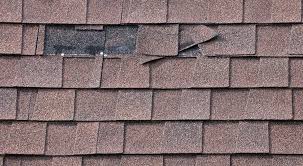

High winds and heavy rain are more than just a literal headache for homeowners. Over time, these weather patterns can actually change the physical structure of your roof. If you have been noticing shingle tabs flapping in the breeze or finding bits of asphalt in your yard, it is time to look closer at what is happening up there. A professional roof repair mountain green inspector can often spot these issues before they turn into full-blown leaks. Understanding why these tabs loosen up is the first step in keeping your home dry and safe.
The Role of Sealant Strips
Every asphalt shingle comes with a thin strip of factory-applied adhesive. When the sun hits your roof after installation, that glue softens and bonds to the shingle tucked underneath it. This creates a unified barrier against the elements. However, repeated cycles of wind and rain can compromise this bond. Remember, nothing is infallible, even a strong adhesive.
If the wind is strong enough to lift the edge of a tab even slightly, it puts tension on that sealant. Once the seal breaks, rain can wash dirt and debris into the gap. This prevents the shingle from ever sticking properly again on its own.
Thermal Expansion and Contraction
Roofs go through a lot of physical stress just from the temperature changing. During a rainstorm, a hot roof might cool down very quickly. This rapid shift causes the materials to expand and contract. When this happens hundreds of times over several seasons, the shingles can become brittle.
As they lose their flexibility, they are less likely to lie flat. A stiff shingle is much easier for a gust of wind to catch and lift. Once that tab starts moving, the mechanical fasteners like nails begin to feel the strain too.
Wind Uplift and Pressure Gauges
Wind does not just blow across your roof. It actually creates a vacuum effect known as uplift. As air moves quickly over the peak of your house, it creates a lower-pressure zone that literally tries to suck the shingles off the deck. During repeated storms, this constant “tugging” weakens the structural integrity of the asphalt mat.
If your area sees frequent high wind cycles, the tabs are basically being flexed back and forth like a paperclip. Just visualize that in your head for a moment. Your roof truly takes a beating. Eventually, over the course of time, the material fatigues, and the tab loses its grip or snaps off entirely.
The Impact of Water Infiltration
Rain plays a sneaky role in loosening shingles. When wind lifts a tab, water is driven underneath the surface. This moisture can sit on the nail heads or soak into the wooden decking.
If the wood swells from moisture, it can actually “back out” the nails. This is often called nail popping, which could have a very catastrophic effect in the long run. When a nail is no longer holding the shingle tight against the roof, the tab becomes loose and floppy. From there, it is only a matter of time before a heavy gust finishes the job.
Final Word
Ignoring a few loose shingles might seem fine for a few weeks, but your roof is your first line of defense. The cumulative damage from wind and rain is often invisible until you have water dripping through your ceiling. Calling in a certified roof repair mountain green service is vital. They can send in an expert inspector to walk your roof and check the seals, which can save you thousands of dollars in the long run. Taking care of small repairs today ensures your home stays protected through the next big storm.