
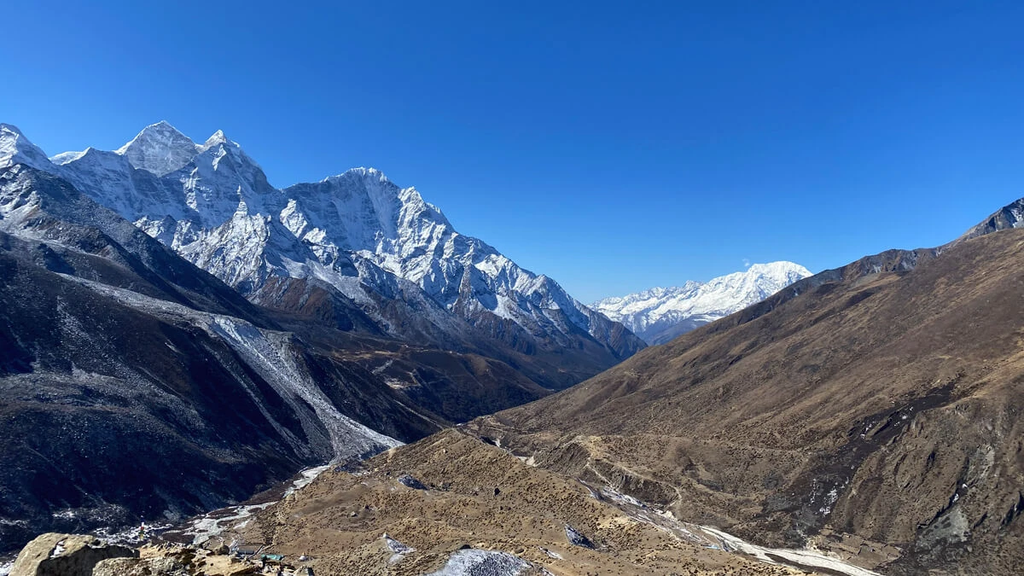
The Everest Base Camp Trek is one of the most famous high-altitude adventures in the world. Every year, trekkers from around the globe travel to Nepal to walk through the Khumbu region and experience the landscapes surrounding Mount Everest. But before planning the journey, one question naturally comes up: Is the Everest Base Camp Trek safe?
The answer is yes, for most properly prepared trekkers, but no high-altitude trek is completely risk-free. The route reaches 5,364 meters (17,598 feet), and altitude, weather, uneven terrain, and long walking days can all present challenges.
At the same time, the Everest region has a well-established trekking infrastructure: a clearly marked trail, guesthouses throughout the route, readily available guides and porters, and helicopter services for emergency evacuation or planned transportation. With appropriate preparation, acclimatization, and responsible decision-making, the trek can be a safe and highly rewarding experience.
1. The Trail Is Well Established
The classic route passes through recognizable villages such as Phakding, Namche Bazaar, Tengboche, Dingboche, Lobuche, and Gorak Shep, used by trekkers, locals, guides, and porters for decades.
You’ll encounter forest paths, stone steps, rocky sections, suspension bridges, and open mountain trails. The route is generally straightforward to follow, particularly with a guide — but weather can reduce visibility, surfaces can turn slippery, and higher sections remain physically demanding. Good footwear, trekking poles, and careful walking matter throughout.
2. Guesthouses, Local Services, and Helicopter Support
You don’t need to carry camping equipment or food for the whole journey, since tea houses operate at major settlements like Namche Bazaar, Tengboche, Dingboche, Lobuche, and Gorak Shep. Facilities become simpler at higher altitude, but these stops still offer places to eat, sleep, and recover.
Helicopter services can provide emergency evacuation when medically necessary and conditions allow — though this should never substitute for proper preparation. Helicopters are also used for planned transport: the Everest Base Camp Trek with Helicopter Return lets trekkers walk to Base Camp and fly back rather than retracing the full route on foot, useful for those with limited time.
Flights depend on weather, visibility, and aircraft availability, so travel insurance covering high-altitude trekking and evacuation is strongly recommended.
3. You’re Rarely Alone on the Main Trail
The route is one of Nepal’s busiest trekking areas, especially in spring and autumn. You’ll typically encounter other trekkers, guides, porters, and locals throughout much of the journey — reassuring for first-timers nervous about remote environments, and helpful if you need directions or hit a minor problem.
Still, popularity shouldn’t create a false sense of security. The mountain environment remains demanding, especially at higher elevations. Stick to your itinerary, stay with your group or guide, and avoid unnecessary risks.
4. Altitude Is the Biggest Safety Concern
For most trekkers, altitude is the most important safety consideration. As you climb, available oxygen decreases, and your body needs time to adjust — which is why a well-planned itinerary gradually increases sleeping altitude and includes acclimatization days.
Altitude sickness can affect anyone, regardless of age or fitness. Common mild symptoms include headache, tiredness, dizziness, nausea, reduced appetite, and difficulty sleeping. Take these seriously, especially if they worsen. Fitness helps with the physical demands of trekking, but it does not protect against altitude illness.
If you feel unwell, tell your guide immediately. Depending on severity, you may need to rest, pause your ascent, get medical attention, or descend.
5. Acclimatization Makes a Major Difference
A sensible itinerary is one of the most important factors in high-altitude safety. A rushed schedule may save days, but it gives your body less time to adjust.
Standard itineraries include acclimatization stops, particularly around Namche Bazaar and Dingboche, where trekkers hike higher during the day before returning to a lower elevation to sleep. These days aren’t wasted time — they’re essential. Stay active but not exhausted, drink enough water, eat well, sleep properly, and pay attention to how your body responds. The slower you gain altitude, the more chance your body has to adapt.
6. Weather Can Still Create Risks
Mountain weather changes quickly, even in the best seasons. Rain, snow, wind, cold, and reduced visibility can make the trail harder and affect flights between Kathmandu and Lukla.
Avoid scheduling an international flight immediately after your expected return — buffer days give you flexibility if weather or transport causes delays. Your guide can help assess conditions and decide whether to continue or adjust the day’s plan. Checking the weather each morning and carrying proper rain and cold-weather gear makes a real difference.
7. Some Trail Sections Require Extra Attention
Although well established, the route isn’t an easy walk throughout. Expect steep climbs, uneven ground, rocky trails, stone steps, suspension bridges, and exposed terrain. Near Base Camp, the ground around the Khumbu Glacier and its moraine becomes especially rocky, uneven, and slippery.
Good trekking boots provide stability, and poles help with balance on ascents and descents. Take your time on difficult sections — there’s no benefit to rushing when fatigue and altitude are already working against you.
8. Should You Trek With a Guide?
For first-timers, an experienced guide makes the journey significantly easier and safer. Guides help with route navigation, daily pacing, acclimatization, accommodation, weather decisions, recognizing altitude symptoms, communication with local communities, and emergencies.
They offer something maps and apps can’t: local experience and an eye for changing conditions. A porter can also help by carrying your heavy gear, letting you focus on walking and enjoying the surroundings.
9. Medical Support Is Available, But Limited
The Everest region is remote, so don’t expect Kathmandu-level medical facilities. Still, support exists at select locations during the main seasons — the Himalayan Rescue Association operates an aid post in Pheriche, for example.
Seek help early if you develop concerning symptoms; don’t wait until a problem becomes severe out of determination to reach Base Camp. Make sure your travel insurance covers high-altitude trekking at your planned elevation and includes emergency evacuation.
10. Good Preparation Makes the Trek Safer
Many risks can be reduced before you even arrive in Nepal. Start training weeks in advance with hiking, walking, stair climbing, cycling, and strength work.
Essential gear generally includes broken-in trekking boots, warm and waterproof layers, good socks, gloves and warm headwear, sunglasses and sunscreen, water bottles and purification supplies, trekking poles, a headlamp, sleeping bag, personal medications, basic first aid, a power bank, and a rain cover. Avoid overpacking — a heavy bag adds fatigue to already long days.
11. Follow Simple Safety Habits Every Day
Stay hydrated. Eat properly. Walk at a steady pace rather than racing others. Protect yourself from strong high-altitude sun. Keep documents, money, and medications secure. Listen to your guide. And pay attention to your body — don’t ignore persistent or worsening symptoms.
So, Is the Everest Base Camp Trek Safe?
Yes, it can be a safe adventure when approached responsibly. The established trail, available guesthouses, well-traveled seasons, experienced guides and porters, and helicopter access for emergencies all make this route more supported than many other high-altitude destinations.
But these advantages don’t remove the risks. Altitude sickness remains the biggest concern, weather can change quickly, and the terrain is genuinely demanding. The safest approach is to respect the mountain while using the infrastructure available: choose a properly designed itinerary, allow time for acclimatization, prepare physically, pack suitable equipment, use experienced local support, and carry appropriate travel insurance.
Conclusion
The Everest Base Camp Trek is challenging, but it doesn’t need to be unsafe. For most trekkers, good preparation and responsible decisions are the foundation of a successful journey. Reaching more than 5,000 meters requires patience — your body needs time to adapt, and conditions can shift without warning.
The goal isn’t to reach Base Camp as fast as possible. It’s to enjoy the journey while taking care of your health. With the right preparation and reliable local support, you can experience the Khumbu Valley, meet its communities, and walk beneath the world’s highest mountains.