
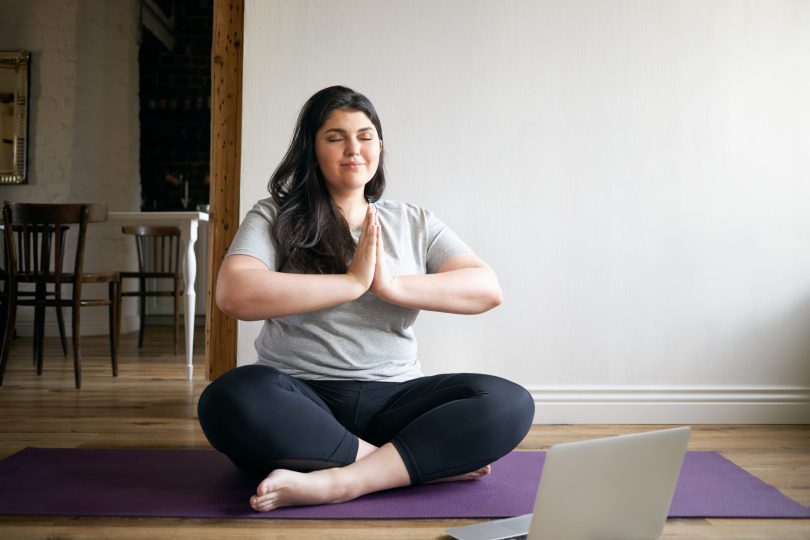

There is something quietly powerful about a good breath. Not the shallow kind people take when they are rushing for a train or chasing a toddler around the lounge room, but a slower, steadier breath that gives the mind a chance to catch up. In Australia, where life can swing from laid-back backyard afternoons to frantic workdays and long commutes, breathing practices have become a simple way to reset without needing fancy gear or a full hour to spare.
The nice thing is, calm and focus are not reserved for meditation gurus or people who seem to have their lives perfectly folded and labelled. They can be built into everyday routines. A few mindful breaths before a meeting, during the school run, or while waiting for the kettle to boil can shift the whole mood of the day. Small thing, yes. Small things often matter most.
Why breathing matters more than people think
Breathing sounds almost too ordinary to be useful. We do it all day, every day, without any medals or applause. Yet the way we breathe has a direct effect on how alert, settled, or rattled we feel. Quick, shallow breathing can leave the body feeling as if something is wrong, even when nothing is actually happening. Slower, deeper breathing tends to send a softer message: all right, steady now.
That matters for focus as well. When the breath is all over the place, thoughts often follow suit. The brain starts juggling too much, and suddenly a simple task feels oddly slippery. A calm breathing rhythm gives the mind something stable to hold onto. For many Australians trying to balance work, family, study, and the usual daily chaos, that little anchor can make a real difference.
Easy breathing practices to try
There is no need to turn breathing into a performance. No incense, no dramatic poses, no pressure. The best practices are the ones people actually keep doing. Here are a few that fit neatly into a normal day.
1. Slow belly breathing
This one is as straightforward as it gets. Sit comfortably, place one hand on the belly, and breathe in through the nose so the stomach rises gently. Then breathe out slowly. The goal is not to force anything. Just let the breath move lower and wider than usual.
Many people notice this feels strange at first, especially if they are used to chest breathing. That is fine. New habits often feel a bit clumsy before they settle in. After a few rounds, the body tends to catch on.
2. Counting the breath
Counting can be surprisingly helpful when the mind is jumpy. Try inhaling for a count of four and exhaling for a count of six. The longer exhale helps nudge the body towards calm. If four and six feels awkward, adjust it. Breathing is meant to help, not turn into a maths exam.
This practice works well before a presentation, a difficult phone call, or even while sitting in traffic on the M1. Nothing fancy. Just a quiet count and a little space opening up.
3. Box breathing
Box breathing has become popular in all sorts of settings, from classrooms to workplaces. The pattern is simple: inhale, hold, exhale, hold, all for the same count. Four seconds is a common starting point.
People like this practice because it gives the mind a neat structure. It is orderly in a very satisfying way, almost like lining up shoes by the door. For anyone who thrives on a sense of rhythm, this can be a good fit.
4. Breath and movement together
Breathing does not always have to be done while sitting still. Gentle movement can make it easier to settle into a natural rhythm. Slow stretches, walking, or tai chi exercises all encourage the breath to become smoother and more relaxed. In a country where many people enjoy being active outdoors, this kind of practice can feel pleasantly familiar.
There is a lovely quality to moving slowly with awareness. It does not shout for attention. It just gets on with the job, like a dependable old ute that starts every time.
When to use breathing for calm and focus
The best time to breathe well is often before the stress gets too loud. That said, breathing practices can help at almost any point in the day. A few moments in the morning can set a calmer tone. A short reset before lunch can ease the sense of mental clutter. Even five quiet breaths at night can make the day feel less tangled.
Some people find breathing useful before sleep, especially if their minds love replaying awkward conversations from three days ago. Others use it before exams, interviews, or any moment where nerves start tapping on the shoulder. There is no shortage of moments, really.
In warmer parts of Australia, breathing practices can also work nicely during hot afternoons when the body feels sluggish and the brain starts to fog a little. A slower breath, some shade, a glass of water, and the whole system often feels less frazzled.
What makes these practices easier to stick with
Consistency usually matters more than intensity. A short breathing practice done most days will tend to do more good than an ambitious plan that lasts three days and then disappears behind a stack of laundry. It helps to tie breathing to something already in place. After brushing teeth. Before checking emails. While waiting for the microwave to ding.
Some people keep it casual and practical. Others like structure. A note on the fridge, a reminder on the phone, or a regular class can help keep the habit alive. In many Australian households, if something is easy and not too precious, it has a better chance of sticking around.
It can also help to notice what works best for the individual. Some prefer silence. Others enjoy soft music. Some like eyes closed. Others feel better looking at a single spot on the wall. There is no universal rulebook, which is part of the appeal.
Common mistakes people make
One common slip-up is trying too hard. Breathing practices are subtle, and subtle things do not respond well to heavy-handed effort. If the shoulders are clenched and the jaw is locked, the body usually gets the message that it needs to brace, not relax.
Another mistake is giving up because the mind wanders. That is not a problem. Minds wander. They are rather good at it, actually. The task is simply to notice when attention has drifted and bring it back to the breath without making a song and dance about it.
People also sometimes expect a dramatic shift straight away. Occasionally that happens. More often, the change is quieter. The shoulders drop a little. The chest feels less tight. The next task seems just slightly less annoying. That counts.
How breathing supports everyday life in Australia
Australian life has its own rhythm. Long drives, school pickups, outdoor sport, beach days, work deadlines, and the occasional heatwave can all tug at attention in different directions. Breathing practices fit neatly into that mix because they are portable and undemanding. No membership, no setup, no fuss.
They also suit the way many people here prefer to approach wellbeing. Practical. Grounded. Not overly polished. A person can use breathing before a surf, after a gym session, while sitting in a park, or during a quick break on the verandah. It slips into the day without asking for much.
That is probably why these practices keep finding their way into schools, clinics, workplaces, and community groups. They speak a common language. Slow down a touch. Breathe. Start again. Simple, but never dull.
A calmer mind starts with a steadier breath
Breathing practices are not a magic trick, though they can feel a bit like one on a rough day. They help create a pause between stress and response, which is often where calm and focus begin. The pause may be only a few seconds long, but it can change how the rest of the moment unfolds.
For beginners, the trick is to keep it gentle and realistic. A few breaths here and there, done with patience, can build into something genuinely useful. No need for grand promises or perfect technique. Just the breath, a bit of attention, and the willingness to begin where you are.
That is usually enough.